The DNA, Children and Young People’s Health Resource (D-CYPHR) is a landmark national programme designed to transform understanding of childhood health.
Launched in summer 2023, the initiative has already welcomed more than 12,500 volunteers from across the UK, marking a significant step towards building the country’s most comprehensive resource for children’s health research.
Open to families with children aged 0 to 15 years, D-CYPHR invites participation from children with and without existing health conditions. Each child or young person donates a saliva (spit) sample and answers a health and lifestyle questionnaire.
By studying thousands of DNA samples together with health information, scientists can begin to see the big picture of how genetics and environment influence our health in childhood and adolescence. By taking part, families contribute to studies that could improve early diagnosis, prevention and treatment for a wide range of conditions.
The programme focuses on several key areas of children’s health, including diabetes, mental health, heart disease, rare diseases and immune conditions. These are areas where earlier understanding and better evidence can lead to life-changing improvements in care.
A vital part of D-CYPHR’s mission is to ensure that children from all communities are represented in health research. To help address underrepresentation and reduce health inequalities, D-CYPHR is working closely with four community organisations: Black Health Initiative, Caribbean & African Health Network, South Asian Health Action and Inclusive North. Through these partnerships, the programme is building trust, improving awareness and creating opportunities for more families to take part.
D-CYPHR is collaborating with more than 40 hospitals nationwide, including those within Oxford Health NHS Foundation Trust, to make it easier for families to join the programme wherever they live. This UK-wide network ensures that researchers can study children’s health across different regions, backgrounds and lived experiences.
By contributing a small saliva sample and basic health information, families can help shape future breakthroughs. The resource will support studies for many years to come, enabling researchers to explore how genetics, environment and lifestyle interact to influence children’s health.
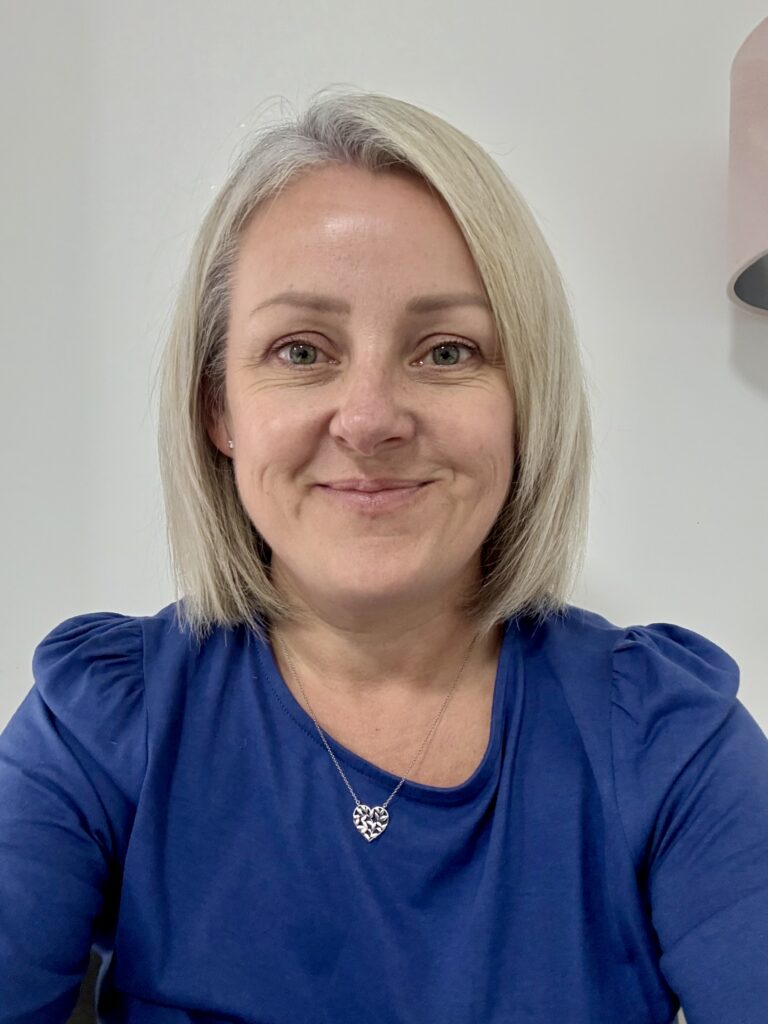
Vicky Hills, Research Recruitment Manager at NIHR BioResource said:
“Having such engaged and active hospital sites, like our colleagues at Oxford Health, makes an incredible difference to the impact and the reach of our research. Their energy, commitment, expertise, and collaborative spirit help us reach young participants more effectively and deliver health research programmes like D-CYPHR that truly matter.”
For more information on how to take part, visit the D-CYPHR website.
For more information email: [email protected]